OCTOBER 2026 / WIND ORCHESTRA SPECIAL / BEHIND THE BATON
Beyond the Baton: The Heart Behind the Music.
Behind every polished performance were countless small acts of dedication — and students who noticed.
2026 Annual Concert · Ohyun High School Wind Orchestra
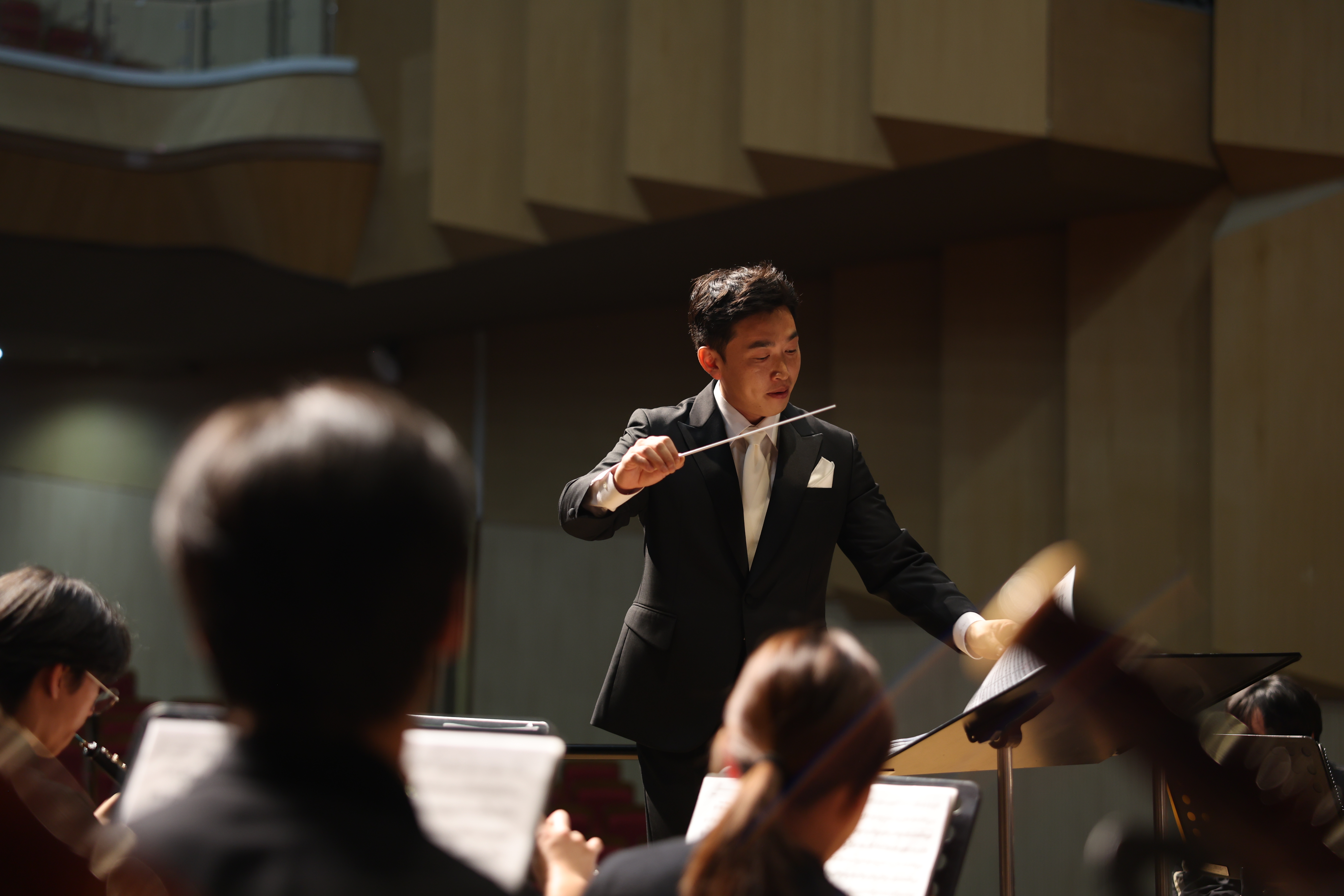
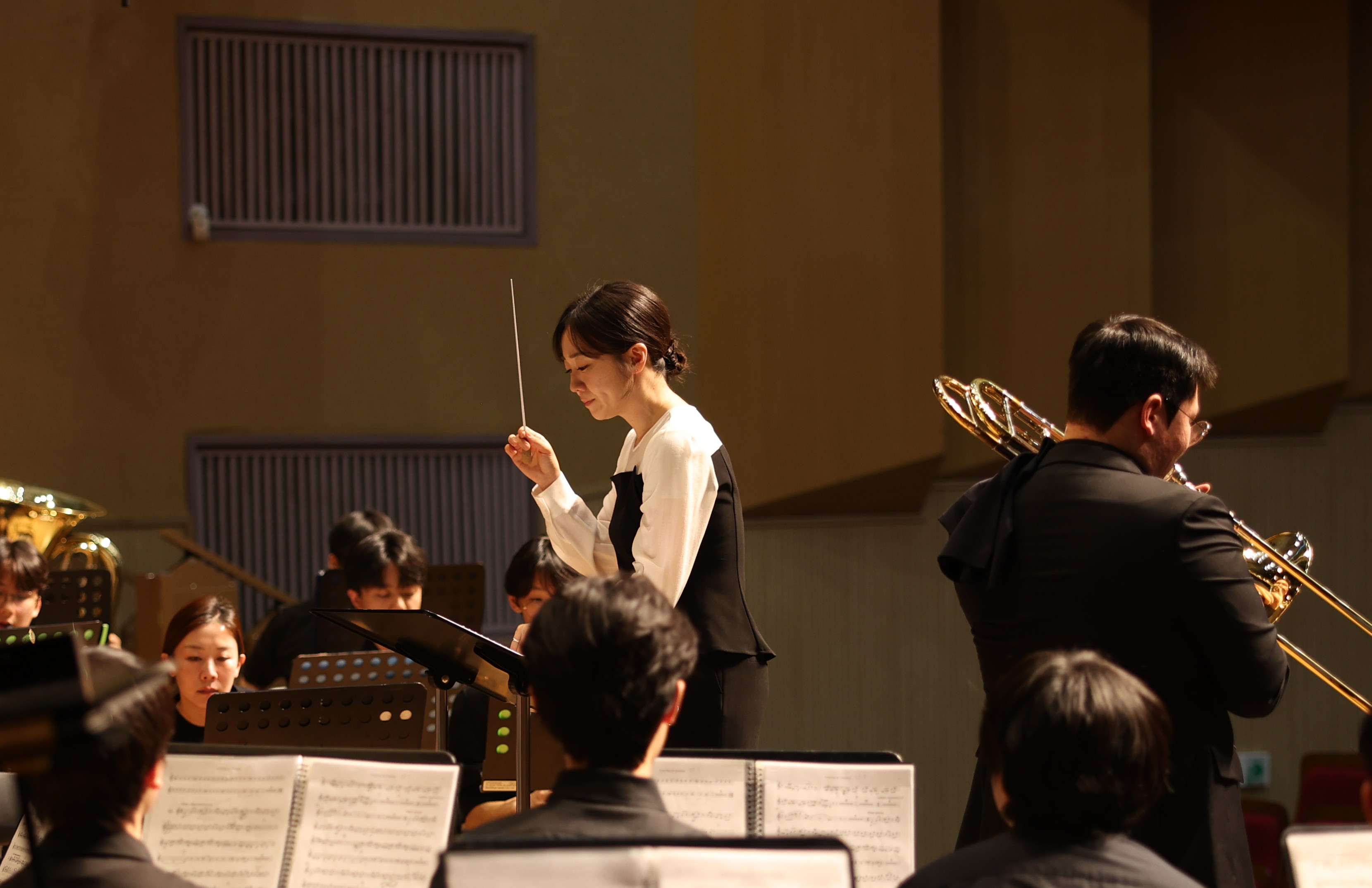
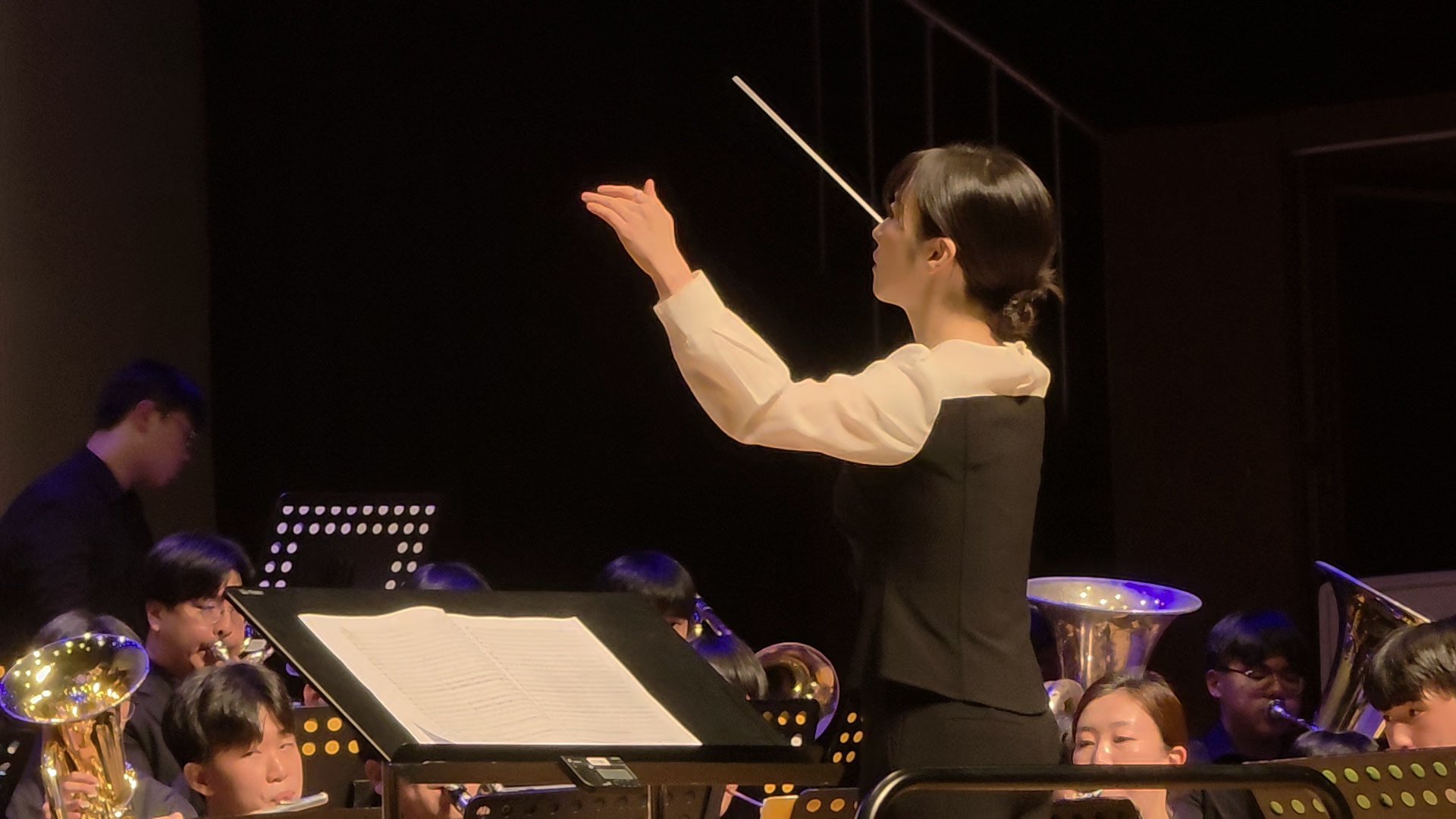
Gwangbeom Ko conducts the orchestra during the 2026 Annual Concert.Nari Kang conducts the orchestra during the 2026 Annual Concert.
“Piano, piano!” The orchestra was already playing softly, but conductor Gwangbeom Ko wanted the sound even quieter.
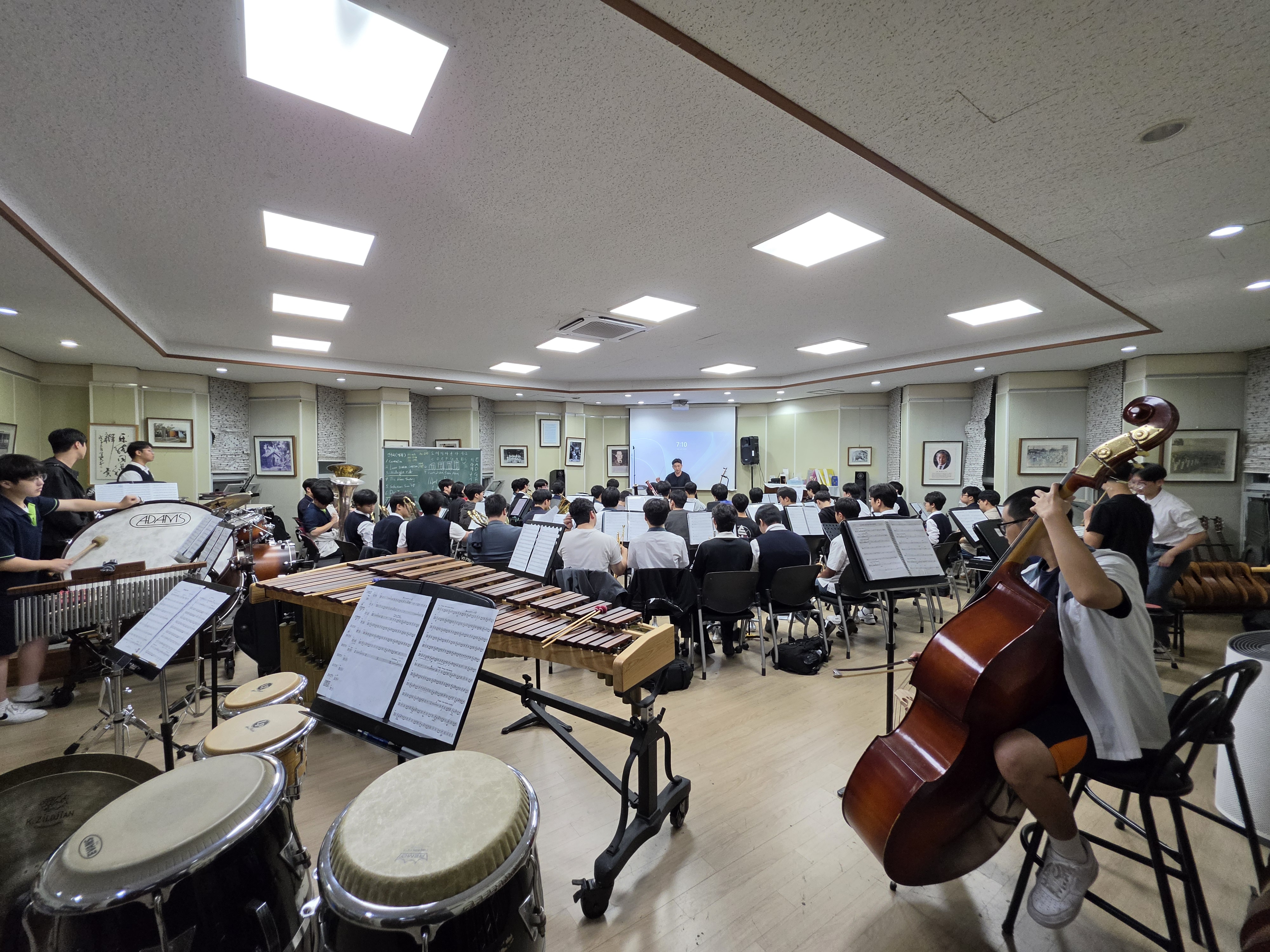
Watching the October 19 rehearsal, it was striking how much attention went into passages that might seem almost invisible to an audience. Teacher Gwangbeom was not simply asking the students to play the notes correctly. He was shaping how each section listened to the others — and how a moment of restraint could make the next musical entrance unforgettable.
01 / THE ART OF LISTENING
Every Note Had a Purpose
At one point, he asked the trumpets to come forward more strongly around measure 115; elsewhere, around measure 123, he adjusted the balance so another musical line could be heard. He stopped to refine short, detached notes and the weight of individual phrases. In musical notation, piano means soft — and here, playing softly required as much discipline as playing loudly.
When words were not enough, Teacher Gwangbeom sang the instrumental phrases himself, demonstrating the articulation and expressive shape he wanted. Having studied vocal music, he used his own voice to communicate what a brass or woodwind line should feel like. The rehearsal became a lesson not just in following a conductor, but in understanding why every detail mattered.
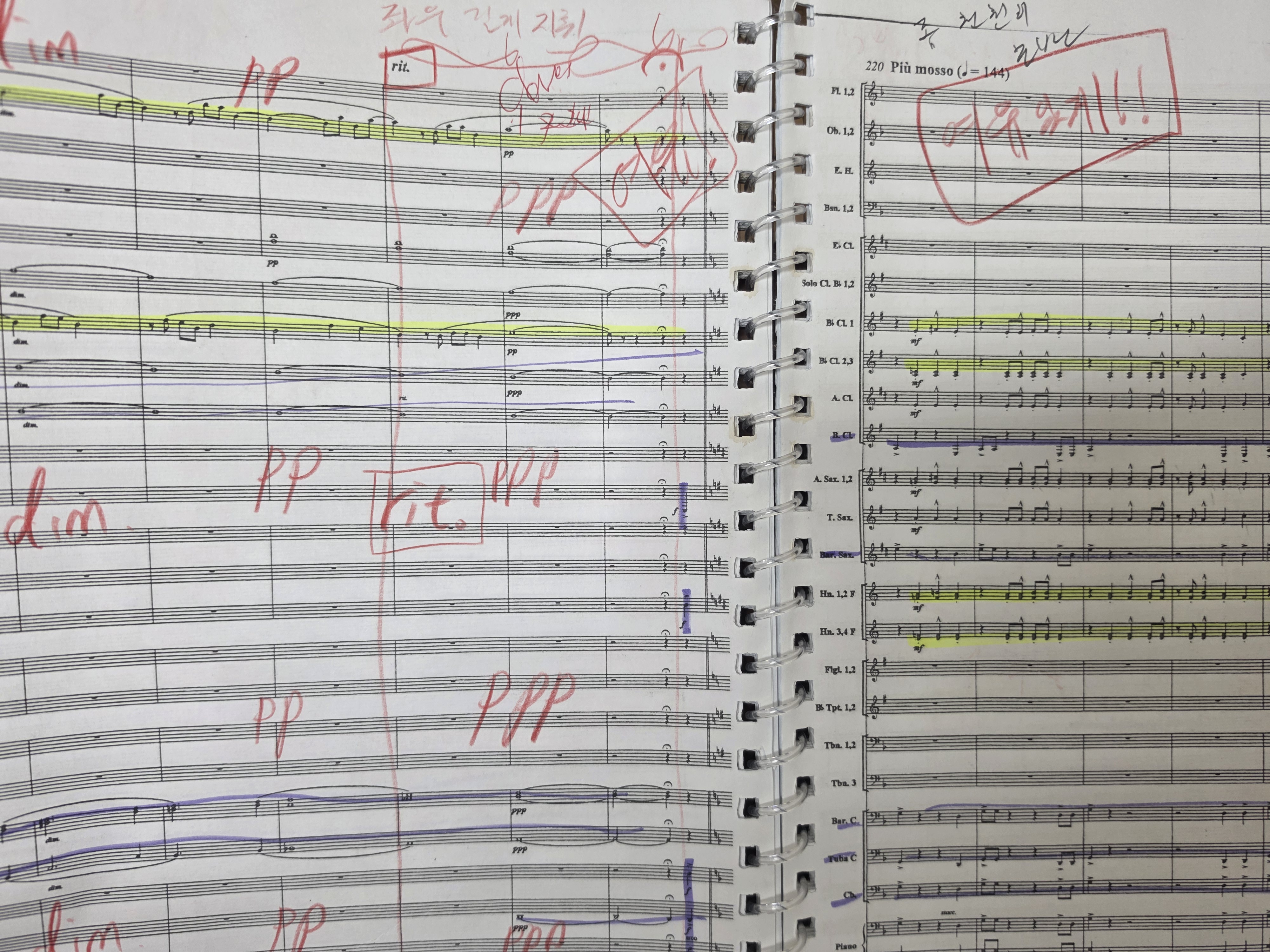
His conducting score for Danzon No. 2 offered another glimpse of that work. The pages contained red handwritten notes, highlights, and reminders layered over the printed musical markings. The markings were not decoration; they were evidence of how carefully he had thought through the music before stepping onto the podium.
At the annual concert, the results were audible. Quiet passages left room for soloists to emerge, and the contrasts made the full ensemble’s climaxes more powerful. What sounded natural onstage had been shaped through patient, exacting rehearsal.
Teacher Gwangbeom worked closely on dynamics and expression during rehearsals.Handwritten notes and highlights reveal the preparation behind Danzon No. 2.
02 / BEYOND THE REHEARSAL ROOM
The Work Students Remembered
The two conductors came to the orchestra from different musical backgrounds: Teacher Gwangbeom had studied vocal music, while Nari Kang (Teacher Nari) had studied clarinet. Leading this ensemble brought its own challenges for both. Yet the students’ survey responses suggest that what left the deepest impression was not their inexperience, but their commitment.
One student thanked the teachers for sometimes missing lunch to devote themselves to the orchestra and for arranging additional instruction from outside music teachers. Others remembered rehearsals in the summer heat, the effort to make practice spaces available for students staying late, and the small encouragement of snacks shared along the way.
A particularly detailed response described how Teacher Gwangbeom adjusted the rehearsal schedule with students’ needs in mind, joined rehearsals to help individual players, and continued offering encouragement even when managing the ensemble was difficult. The student also remembered Teacher Nari’s guidance and noticed improvement in the clarinet section. These were not grand gestures made for concert night. They were everyday acts of care, noticed over time.
Another student, nervous about taking on a solo, recalled that both teachers repeatedly encouraged them to believe they could do it. That support mattered even when the performance did not go exactly as planned.
03 / TRUST, TEMPO, AND PRIDE
What Teacher Nari Saw
Teacher Nari was especially proud of the percussion section. She praised the students for actively helping maintain a steady tempo while staying responsive to her conducting — a contribution that supported the entire ensemble.
After the concert, she sent the orchestra a heartfelt message. She hoped that the disappointing moments, as well as the successful ones, would become meaningful experiences. She told the students how happy she had been to perform with them, thanked them for giving their best, and called them the first students she would never forget.
Teacher Nari conducts the ensemble during Part II of the concert.
04 / THE STUDENTS WERE WATCHING
More Than a Concert
Both teachers spoke about growing into their roles as conductors, and both were grateful to the students who followed them through months of preparation. But the student responses reveal something just as important: the care behind that preparation had not gone unnoticed.
Students remembered the rehearsals, the patience, the firm guidance, and the encouragement. They remembered teachers who kept showing up, even when the days were long and the rehearsal room was hot.
The teachers may have wondered whether they were doing enough. But the students had been watching all along — noticing the missed lunches, the patient encouragement, and the countless hours spent helping them improve. The music was not the only thing they would remember.
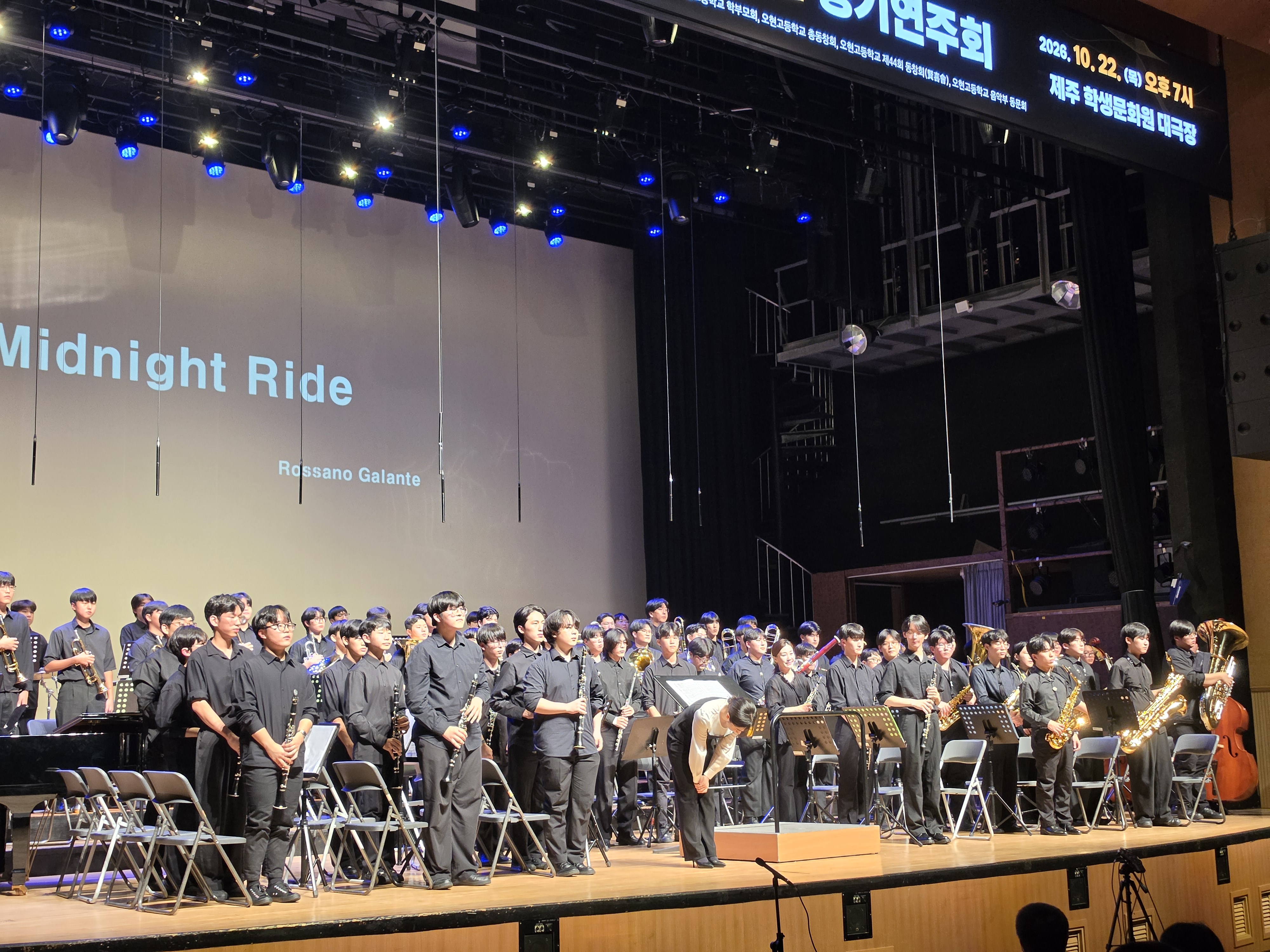
Teacher Nari and the orchestra take a bow at the end of Part II.