In South Korea, one simple question divides students more than any exam: “Are you in the science track or the humanities track?” While it may sound like a small detail, this question dictates the harsh reality of our college entrance system. This choice isn't just about your personal interests or getting into a university; it is a critical turning point that can map out the rest of your life.
Recently, society has heavily favored the science track. The prestige of traditional paths like medicine and the boom of new technologies like artificial intelligence make this trend undeniable. As a result, the science track is celebrated as a “safe choice,” while the humanities are labeled an “uncertain gamble.” This idea is no longer just a passing thought; it has become an ingrained societal bias. Many students choose their track not out of passion, but out of fear of failure.
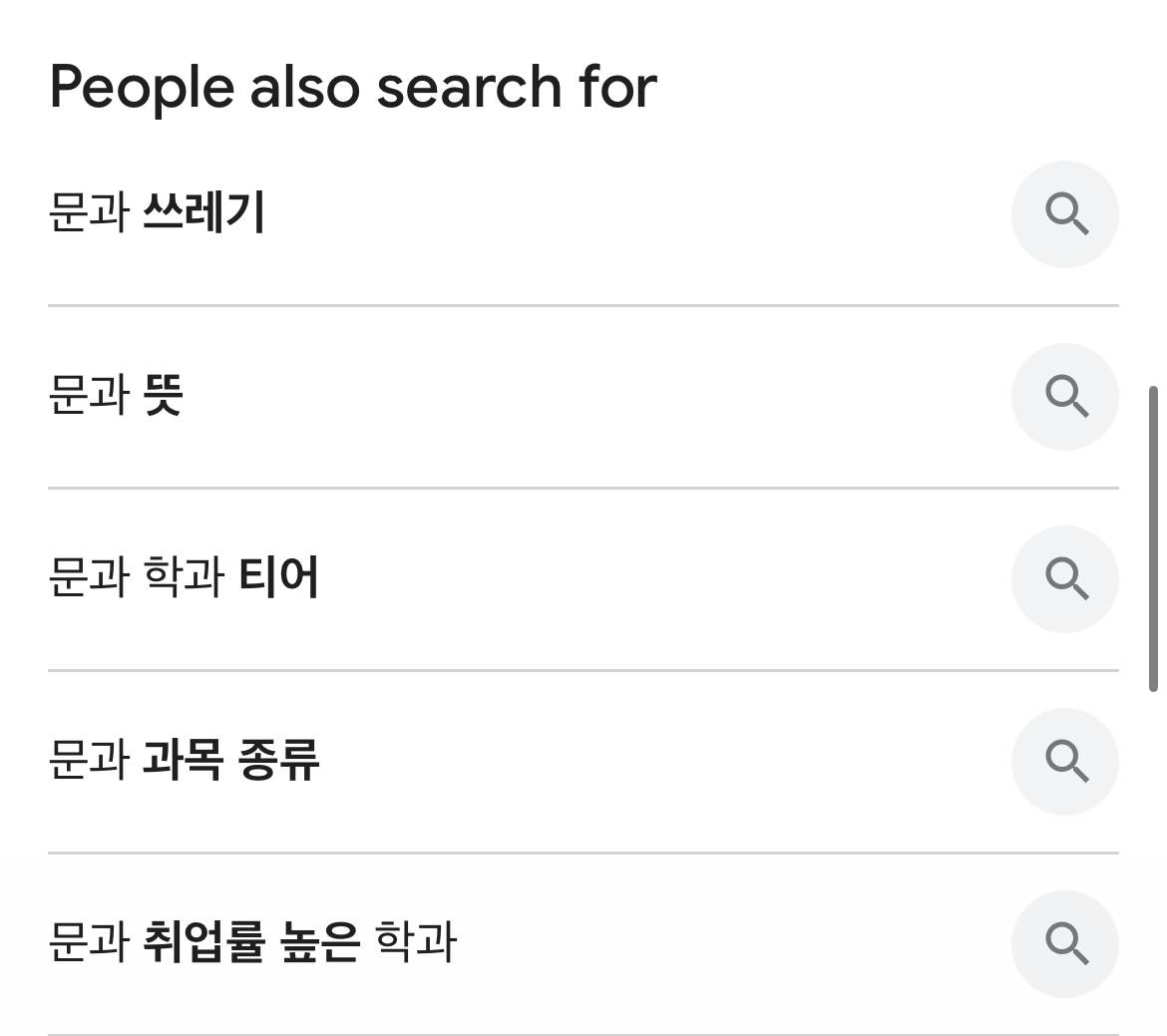

People often view the humanities through a highly simplistic lens. A typical example is the stereotype that students only choose the humanities to run away from math or science. However, understanding language, history, politics, and culture is essential for building and maintaining a healthy society. Yet, our world measures the value of knowledge through a very narrow, employment-focused lens. Ultimately, this transforms the "crisis of the humanities" into a structural flaw of our society, rather than just a personal issue.
So, is the future of the humanities truly dark? I don't think so. On the contrary, as technology advances, the ability to deeply understand humans and society will become irreplaceable. In an age where artificial intelligence effortlessly generates information, we still need human minds to interpret its meaning, ethics, and context. However, the era where a major alone guaranteed a stable career is over.
The crisis of the humanities isn't happening because the field will disappear, but because our system has failed to adapt to change. From now on, humanities students must arm themselves with the ability to analyze complex social issues and merge their cultural insights with other disciplines.
Ultimately, "The future of the humanities is not a path of failure, but a new frontier of 'Our Future' where human insight meets technological change." The real question is no longer whether to choose the humanities, but how to redefine their value as the essential compass for the world to come.
The humanities are not an ideological luxury; they are a strategic necessity for a century defined by complexity and rapid technological change.
Reader Responses
How do you view the value of humanities in the AI era?