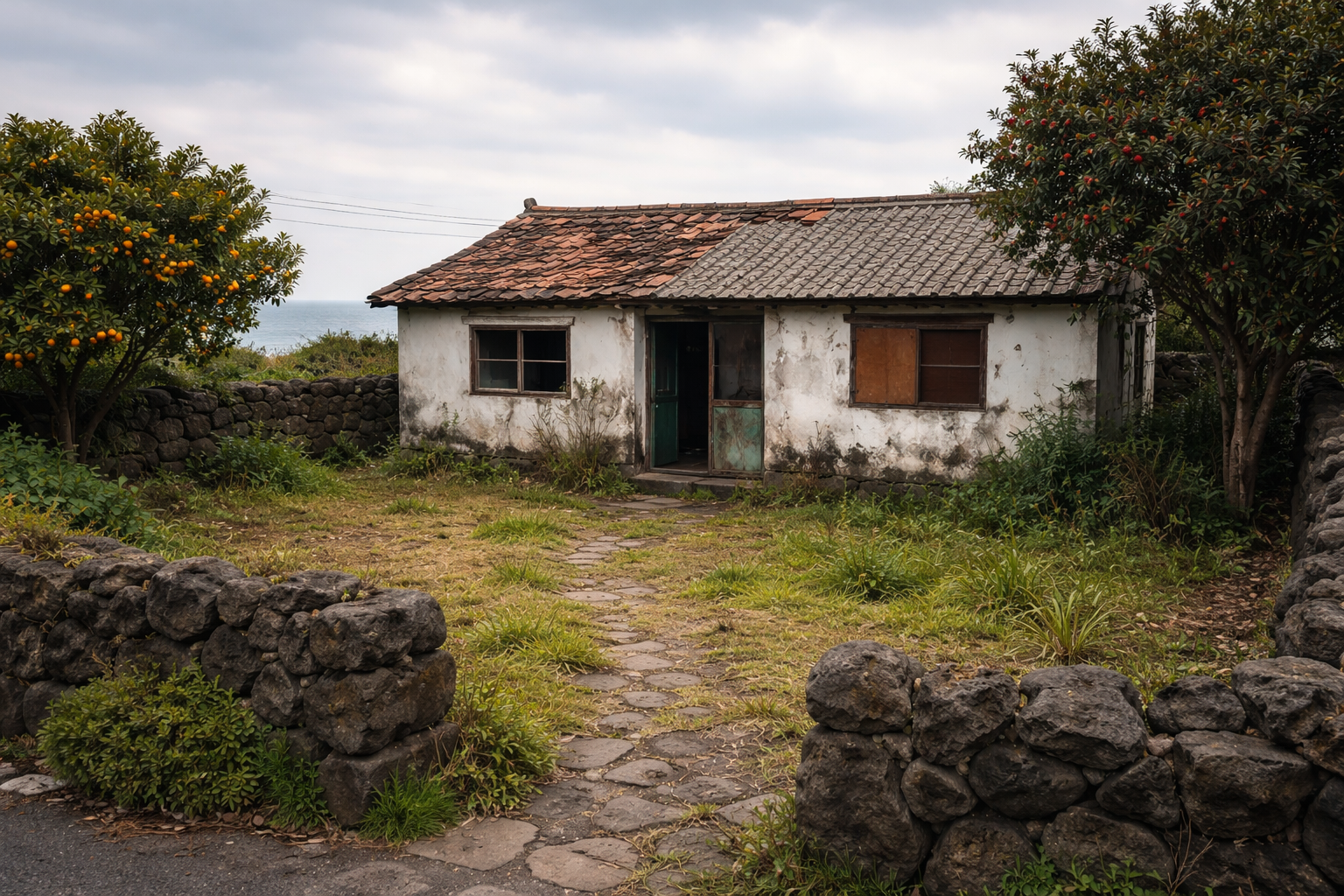
Just a five-minute drive from our school in Samyang-dong, you can already spot them—houses choked with overgrown weeds, rusted gates, and a heavy silence that feels out of place. If this is happening in our own neighborhood, imagine the situation in the quiet mountain villages or the outskirts of Seogwipo.
It’s no longer a distant "government problem"; it’s a reality we pass every day on our way to an academy or a cafe.
The Falling Domino Effect
Jeju recently celebrated hitting a population of 700,000, but the party was short-lived. People are leaving, and "vacant houses" are popping up like symptoms of a fever. This isn’t just about an ugly view or safety issues. It’s a domino effect: when houses go empty, local shops close, hospitals move away, and eventually, the entire vibe of a neighborhood dies. For us students, this means the places we hang out in today might become "ghost towns" tomorrow.
Why Scrap it When You Can Hack it?
Thankfully, the "Jeju Vacant House Maintenance Plan" is finally shifting gears. Instead of just tearing buildings down to make boring parking lots, the focus is moving toward utilization. To see what’s possible, we only need to look at Japan, which has been tackling this issue much longer than we have:
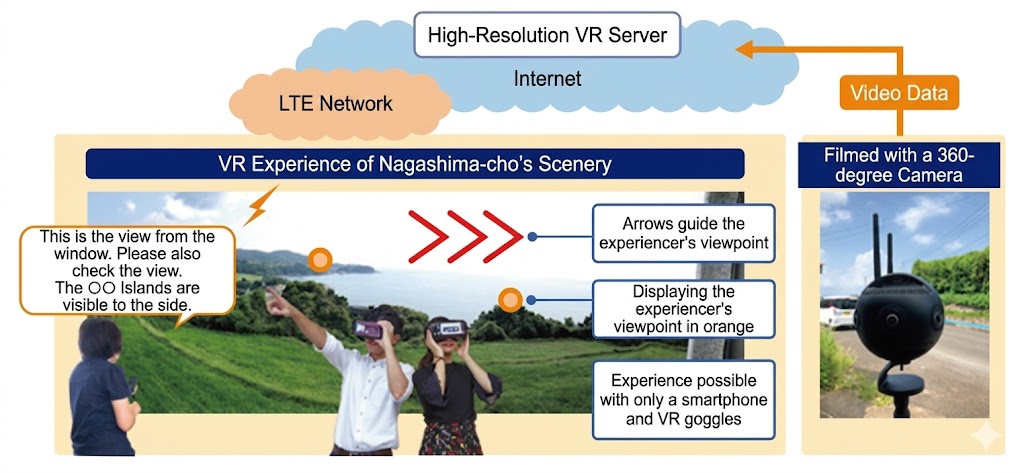
Virtual Reality (VR) House Hunting: Imagine putting on a VR headset and walking through a house in a rural village while sitting in downtown Seoul. Japan’s collaboration with tech giants like KDDI doubled interest from young people by making "country living" look high-tech and accessible.
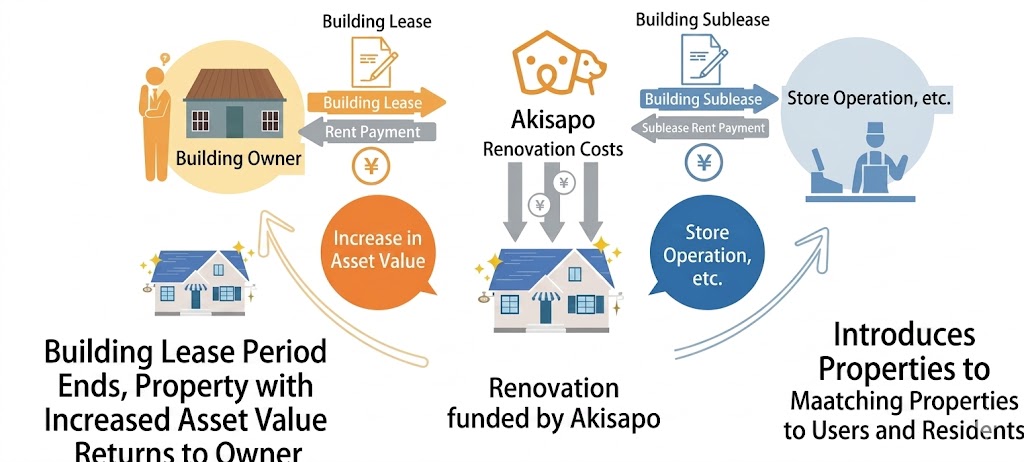
The "Win-Win" Renovation Model: A company fixes up an old house for free, the owner gets a share of the rent, and young tenants get a cool, cheap place to live or work. It’s a "triple win" that turns a financial burden into a community asset.
It’s Our Turn to Imagine
Imagine these "ghost spots" in Samyang or Seogwipo becoming low-cost art studios for students, tech hubs for digital nomads, or unique local bookstores. We don't have to just watch our island age; we can be the ones who bring "imagination" to these empty spaces.
So, here is a question for us: If you were given the keys to an empty house in your neighborhood, what would you turn it into? Would you let it crumble, or would you turn it into the heart of our community? The future of Jeju isn't just in the hands of policymakers—it’s in the way we choose to see these spaces.
Reader Responses
What would you do with an empty house in Jeju? Share your ideas!