Every April, the students of OHS head to Byeoldobong to take their annual class photos amidst the breathtaking cherry blossoms. While most of us focus on capturing the perfect shot, if you listen closely to the trees, you will hear a vibrant, overwhelming buzz. In Jeju, this "soundtrack of spring" is still powerfully alive. However, this lively buzzing is a precious sound that is rapidly disappearing from the rest of the world.
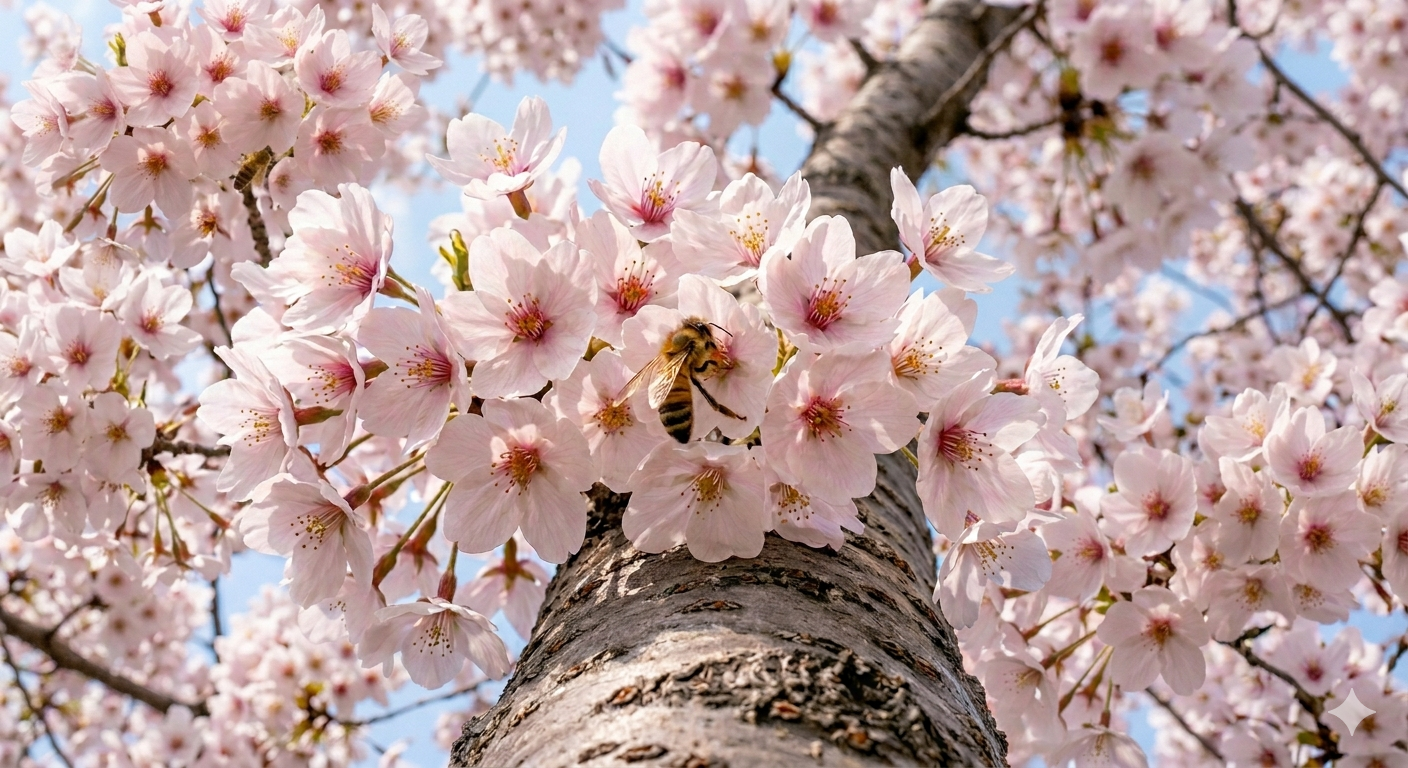
While we are surrounded by the energy of honeybees today, since the mid-2000s, these essential insects have been vanishing globally due to Colony Collapse Disorder (CCD). We might feel safe seeing so many bees at Byeoldobong, but we must realize that our local abundance is a rare gift in an increasingly quiet world.
Why should we be concerned? Honeybees pollinate a third of the crops we eat. Without them, the meals we enjoy in our cafeteria would become scarce and expensive. While Jeju currently provides a sanctuary, climate change and parasites remain constant threats that connect our local hills to the global crisis.
Our Small Actions for a Big Buzz
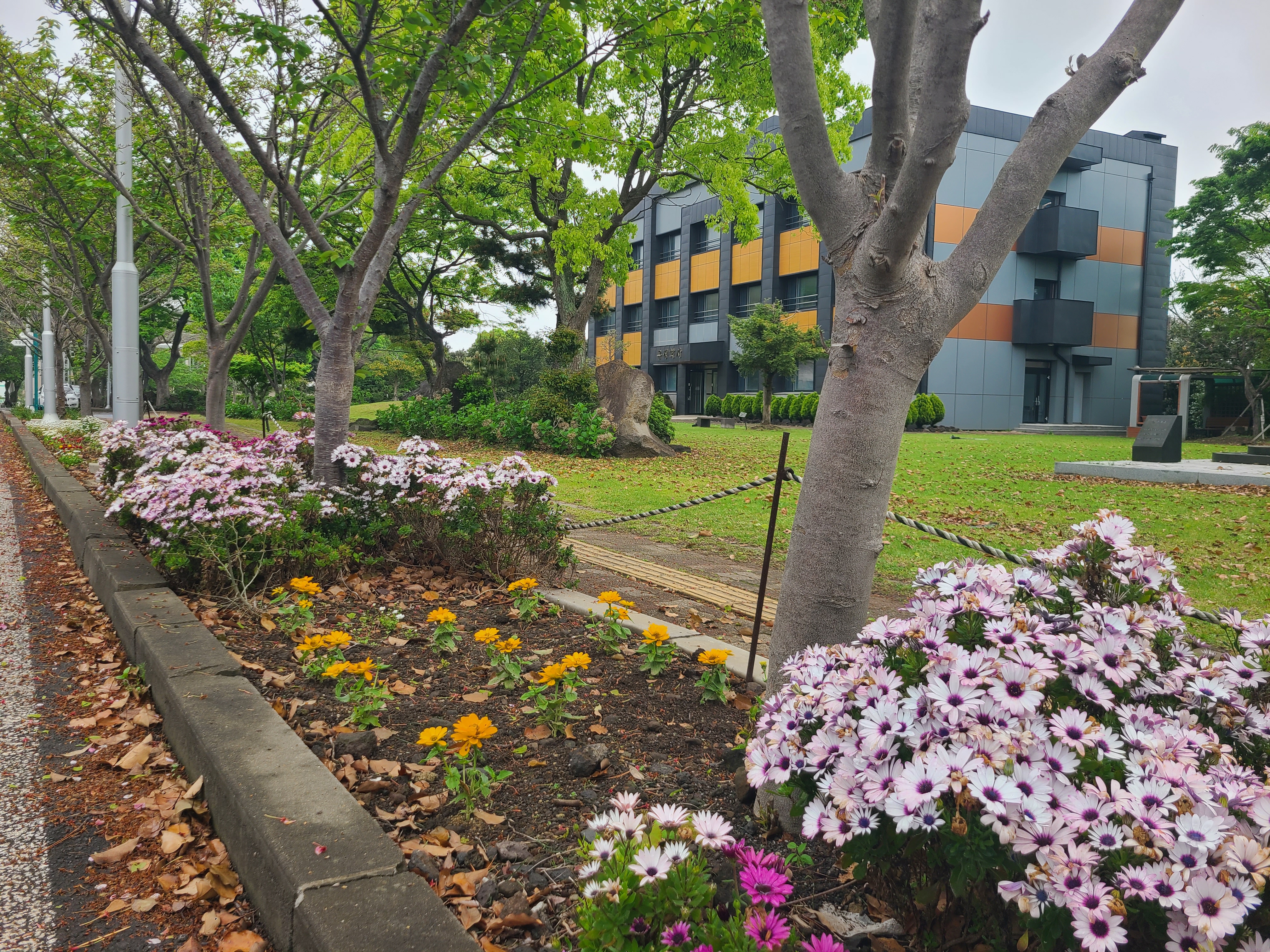
So, what can we do? Protecting the buzz begins with preserving our surroundings. On April 4, our school community—teachers, students, and parents—worked together to plant flowers along our school paths. Many may have passed by without noticing, but these small "flower-bridges" are exactly what we need to keep the honeybees thriving in our neighborhood.
Protecting honeybees is essential for "Our Future." Next year, when you stand under the cherry blossoms for your class photo, don't just look at the camera—listen to the trees. By participating in school environment events and caring for our local ecology, we can ensure that the buzz of Byeoldobong remains the soundtrack of spring for generations to come.
Reader Responses
Have something to say about this article?