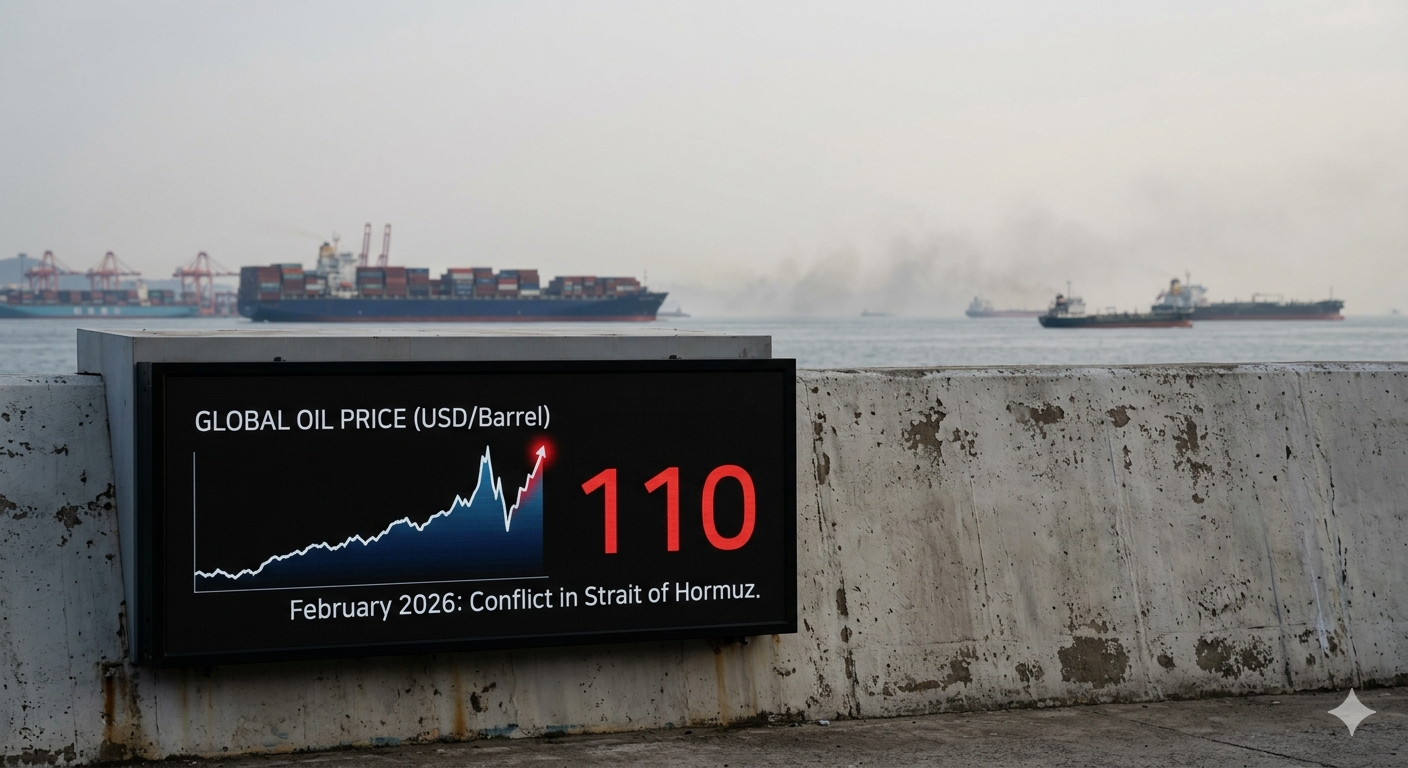
On February 28, 2026, the world changed. The U.S. preemptive strike on Iran didn't just trigger a war; it triggered a global energy earthquake. As Iran attempts to choke the Strait of Hormuz, oil prices have rocketed from $60 to $110 per barrel. While we sit in our classrooms, global instability is rising, and the most vulnerable among us—low-income families—are already struggling to afford the basic costs of heat, water, and light.
We often talk about energy as a "government issue" or a "technical problem." We say the government must provide emergency budgets and restructure our national energy mix to reduce fossil fuel dependency. But we need to stop talking as if we are mere spectators.
[AI-Generated Image]
As students, we might feel insulated. We aren't the ones paying the electricity bills yet. We are protected by the walls of our school and the support of our parents. But this protection is temporary. If our nation continues to rely on a single, unstable source of energy, the crises of today will become the permanent reality of our tomorrow.
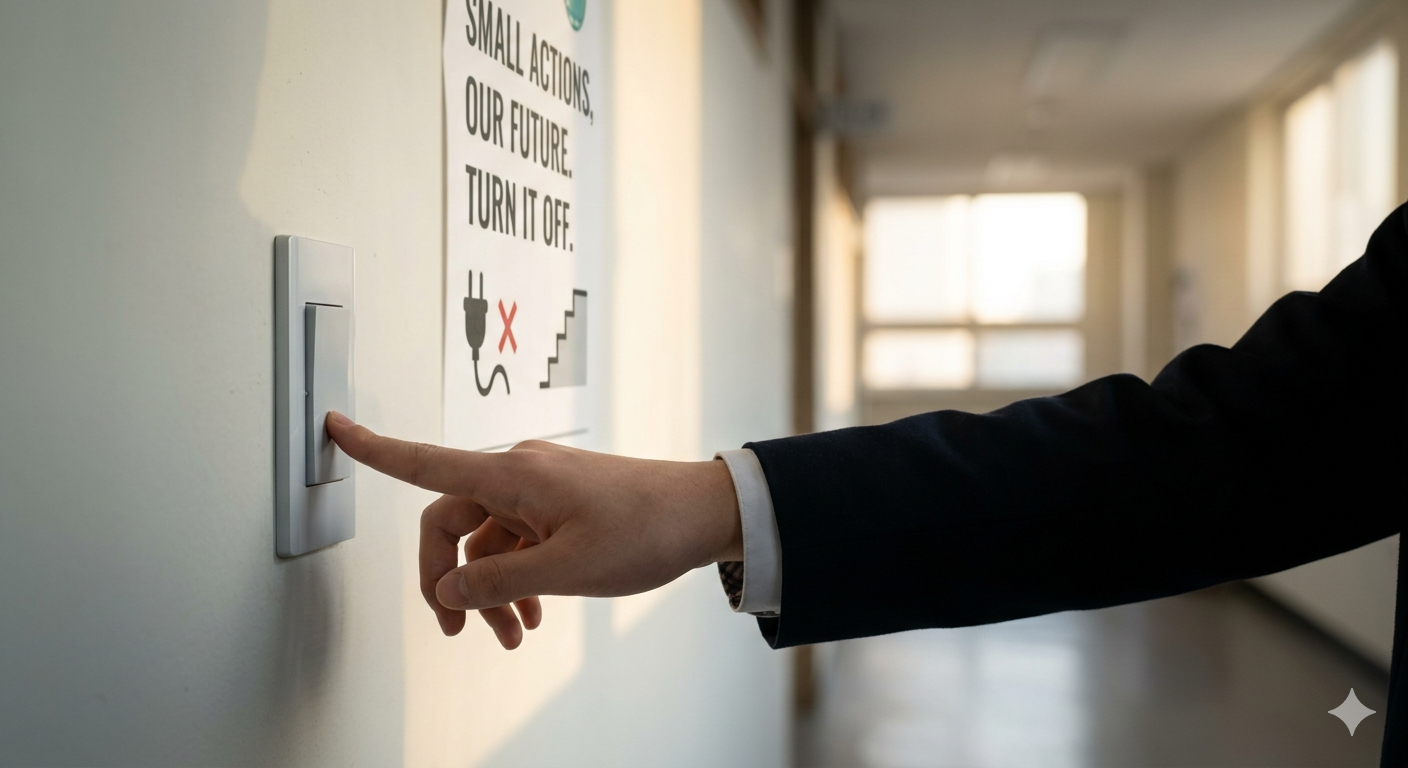
What is our role in this? Some might say turning off a light or unplugging a microwave is a drop in the ocean compared to a global war. They are wrong. These habits represent a shift in mindset—from passive consumers to responsible citizens. At school, we must be the ones to ensure projectors and fans aren't running in empty rooms. At home, we must take ownership of our consumption, from full laundry loads to shorter showers.
Our generation will be the one living with the long-term consequences of today’s energy choices. We cannot afford to wait until the lights go out to care about where our power comes from.
The energy crisis isn't just an economic statistic; it is a test of our readiness for the future. We may not be the ones in the situation room making military decisions, but we are the ones who will inherit the world those decisions create.
The question is: will we continue to waste energy while the world burns, or will we take responsibility for the future we have to live in?
Reader Responses
Have something to say about this article?